from $122 Kailua-Kona Manta Ray Night Adventure — Best-Rated on the Big Island
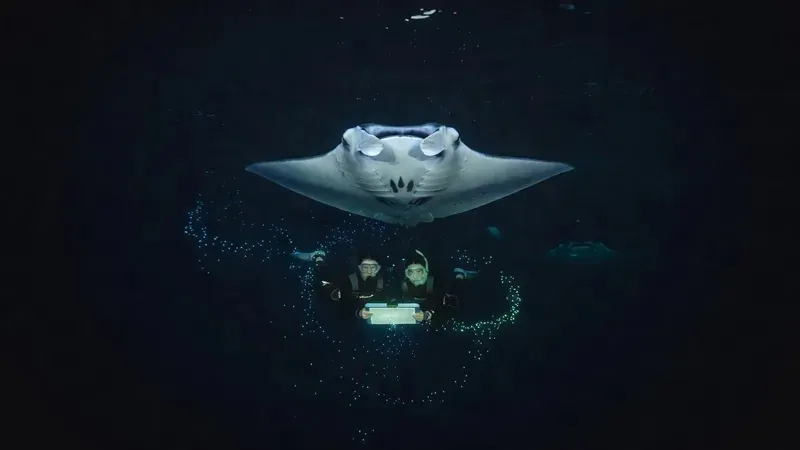
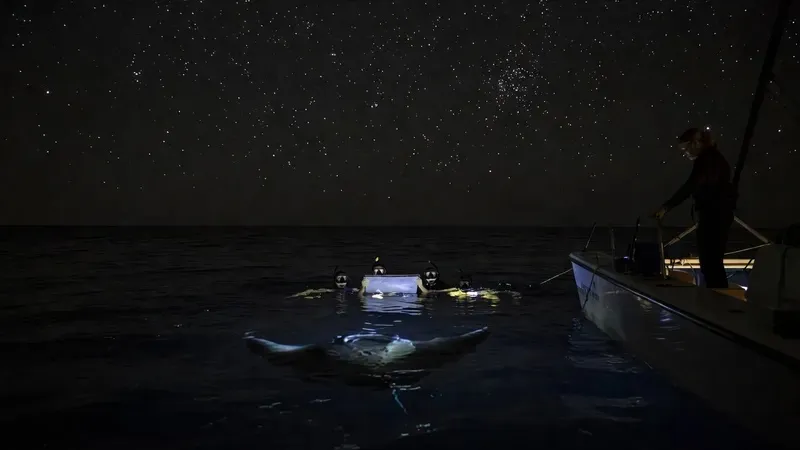
- Giant manta rays up close in their natural habitat
- Snorkel option or ride-along (no swimming required)
- Warm shower on board after the snorkel
- GoPro rental available
The best things to do in Kona Hawaii Big Island give you 300 sunny days, manta rays gliding beneath you at night, and active volcanoes glowing red at the horizon — all on the same island. Every experience below is top-rated, locally guided, and bookable with free cancellation.
Best Seller — 1,368 Reviews, 4.9★ The #1 Experience in Kona: Night Manta Ray Snorkel
The #1 rated night tour on the Big Island. Watch giant manta rays glide beneath you as they feed on plankton lit by underwater lights — a truly magical experience.
Real-time dates and prices for the #1-rated manta ray night snorkel — book directly with free cancellation up to 24 hours before.
These are the highest-rated guided experiences available on the Big Island of Hawaii, all bookable with free cancellation. Whether you want to snorkel with manta rays at night, witness active lava at Hawaii Volcanoes National Park, or stand at the summit of Mauna Kea above the clouds — every experience here is operated by a licensed, top-rated local company. Check availability for current dates and live pricing.
from $122
from $75
from $115
from $200
from $160
from $209
from $276
from $309
from $330
from $189
from $156 Not every unforgettable experience in Kona costs money or needs a guide. These are the moments that stay with you — the ones visitors still talk about years later.
This is the experience that changes people. Giant Pacific manta rays — wingspans up to 14 feet — glide in slow spirals directly beneath you, their white bellies lit by underwater lights. They don't sting, they don't bite. They barely notice you exist. You just float there, watching something ancient and enormous move through the dark water inches away. Dozens of visitors describe it as the highlight of their entire life of travel, not just their Hawaii trip.
Ka Lae — South Point — is a windswept headland jutting into the ocean at the very bottom of the Big Island, and therefore the very bottom of the United States. Cliffs drop straight into the clearest water imaginable. Local fishermen anchor their boats 50 feet below and climb up on rope ladders. There is nothing between you and Antarctica but open ocean. No tour needed — just drive to the end of South Point Road and walk to the edge.
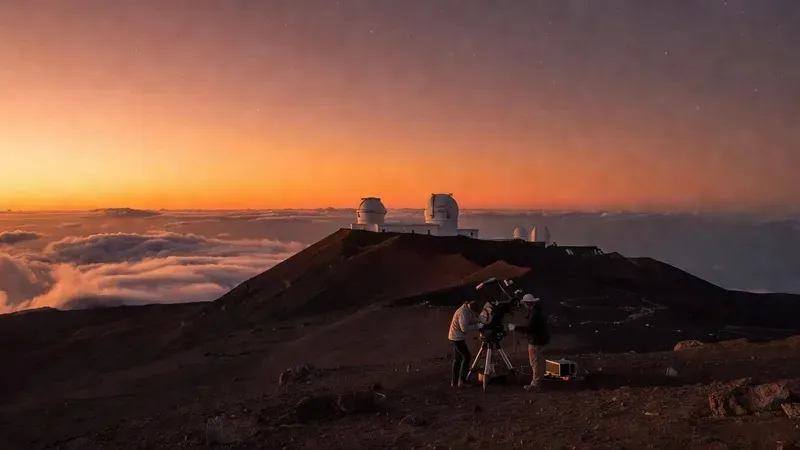
At 13,796 feet, Mauna Kea's summit sits above the cloud layer. You drive through clouds, then break out into absolute clarity — the kind of sky where you can see the curvature of the Earth. At sunset, the horizon turns layers of pink and gold before going dark, then the stars come out. There are more observatories on this summit than anywhere else on Earth. On a clear night, the Milky Way is not a faint smear — it's a river.
Every morning, pods of spinner dolphins swim into Kealakekua Bay to rest after a night of open-ocean hunting. The bay is a marine sanctuary — 315 acres of protected reef, impossibly clear water, and the Captain Cook Monument on the far shore. This is consistently rated one of the top 5 snorkeling sites in Hawaii. Get here early. The dolphins are usually gone by 10 AM.
Kona coffee is one of the rarest, most expensive coffees in the world — it only grows in a narrow 30-mile belt on the slopes of Mauna Loa above Kealakekua Bay. Bay View Farm, which has been operating since 1984, grows their beans on 24 volcanic acres with the Captain Cook monument visible below and the deep blue Pacific beyond. You pick up a cup of something roasted right there, on that hillside. The smell, the view, the taste — it's a whole sensory event.
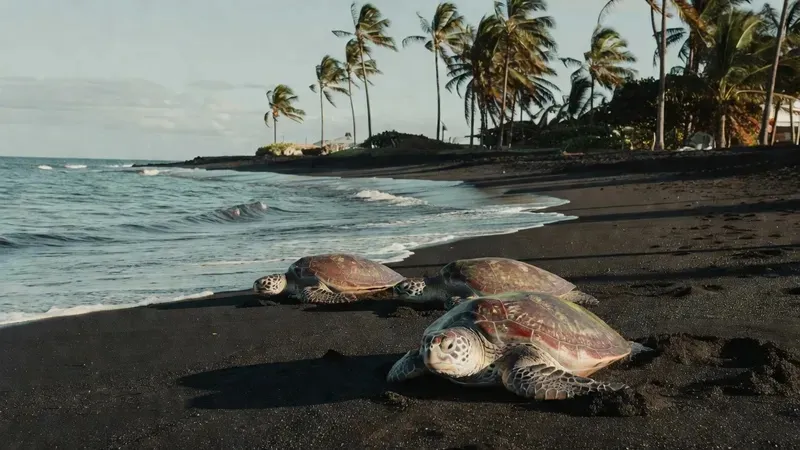
Punalu'u Black Sand Beach is a surreal place — jet-black volcanic sand, swaying coconut palms, and honu (Hawaiian green sea turtles) that crawl out of the ocean and sunbathe on the sand like they've been doing it for 100 million years. They're protected by federal law, so you stay back and just watch. They're enormous and completely unbothered. It's one of those scenes that makes the Big Island feel prehistoric.
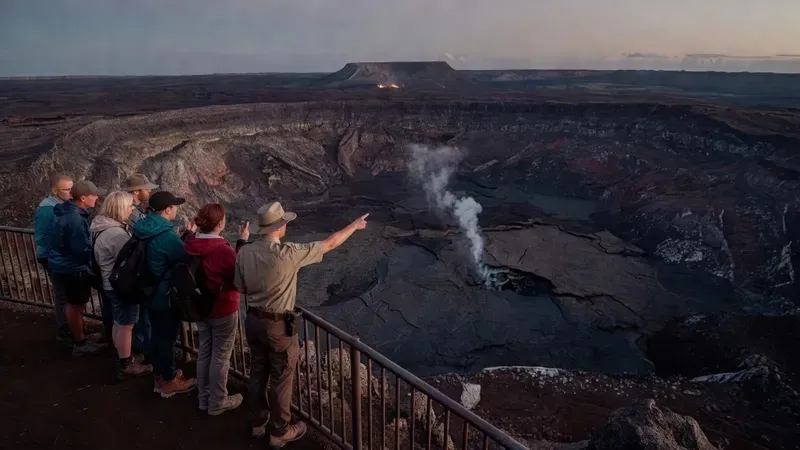
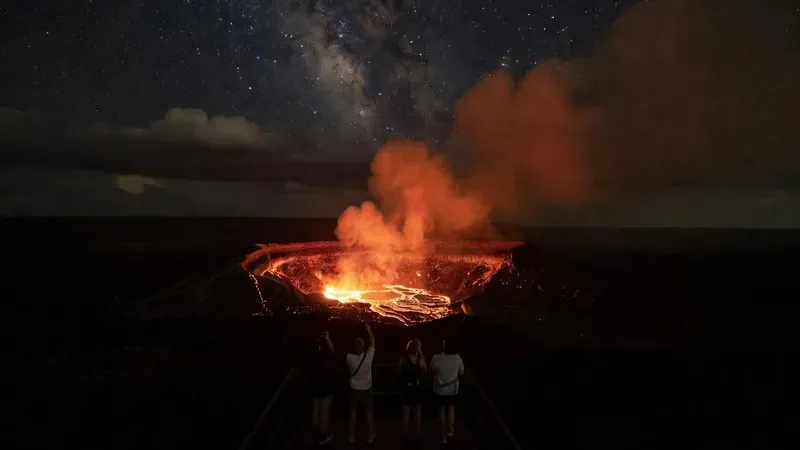
Hawaii Volcanoes National Park is home to Kilauea, one of the most continuously active volcanoes on Earth. During eruptions, the glow from the lava lake inside the Halema'uma'u crater can be seen from miles away — a deep, pulsing red against a dark sky. Even when not erupting, steam vents hiss and the smell of sulfur reminds you that you're standing on a living, breathing planet. Nothing in the continental US compares to this.
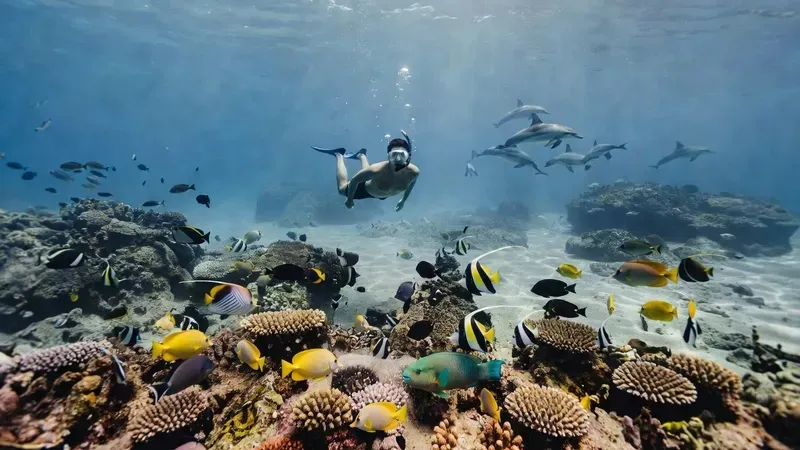
Kahalu'u Beach Park — just south of downtown Kona — is free, easy to reach, and one of the best shore snorkeling spots in Hawaii. The bay is calm, shallow, and so clear you can see your own shadow on the sand 15 feet below. Green sea turtles are a near-daily sighting. The fish count is extraordinary — parrotfish, triggerfish, needlefish, and the occasional Hawaiian monk seal. Bring your own mask and fins and you're set.
The Nahuku (Thurston Lava Tube) is a 500-year-old tunnel carved by flowing lava inside Hawaii Volcanoes National Park. You walk into the earth through an opening in the jungle floor and emerge in a cathedral-sized underground passage — ceilings 20 feet high, walls of ancient basalt, mosses glowing in the dim light. It's completely silent inside. In Hawaiian culture, lava tubes were sacred places. Even without that knowledge, it feels important.
Every Wednesday and Saturday morning, the stretch of Ali'i Drive in downtown Kailua-Kona fills with vendors selling fresh local produce, Hawaiian sea salt harvested from ancient lava ponds, coconut candy, macadamia nuts, tropical flowers, and handmade crafts. The real find is the food — poke bowls made from ahi caught that morning, açai bowls topped with fresh mango, and freshly brewed Kona coffee from farms up the mountain. Get there early.
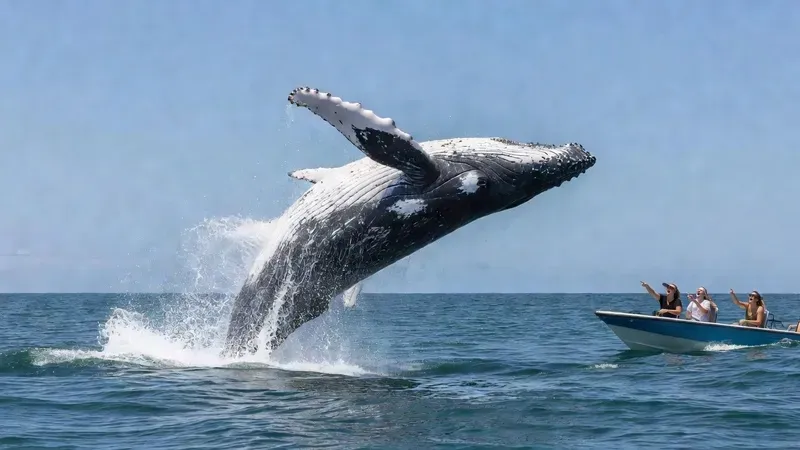
The Pacific sunset from a boat offshore of the Kona coast is a specific, unrepeatable thing — the Kohala mountains turning purple against an orange sky, the ocean going flat and gold, the lights of Ali'i Drive beginning to appear on the shore. Whale watching tours (December through April) will often pause on the way back to let the moment happen. Or just find a seat at the seawall along Ali'i Drive and wait. The ocean does the rest.
| Tour | Type | Book | Duration | Price | Rating | Reviews | Best For |
|---|---|---|---|---|---|---|---|
| Night Manta Ray Adventure | Water — Night snorkel | Check Availability | 2.5 hrs | $122 | 4.9 ★ | 1,368 | Life-changing experience |
| Manta Ray Nighttime Boat | Water — Watch or snorkel | Check Availability | 2 hrs | $75 | 4.8 ★ | 540 | Best value manta ray |
| Whale Watching Cruise | Water — Dec–April only | Check Availability | 2.5 hrs | $115 | 4.8 ★ | 289 | Seasonal winter visit |
| South Kona Snorkeling | Water — 3 reef sites + lunch | Check Availability | 5 hrs | $200 | 5.0 ★ | 96 | Best snorkeling experience |
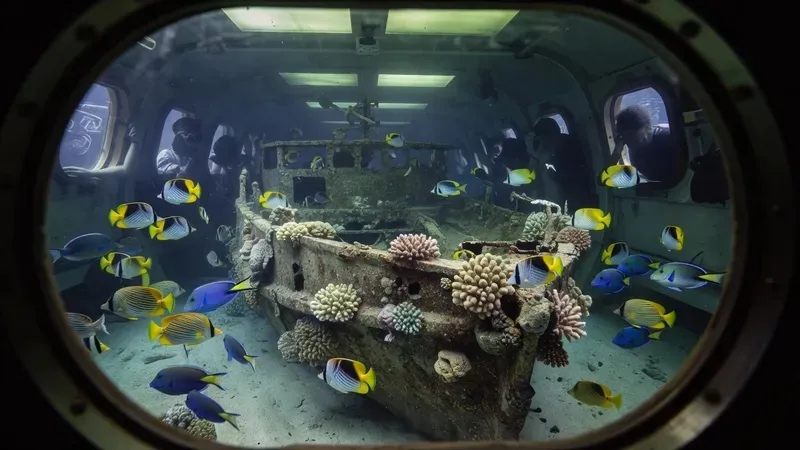
| Submarine Adventure | Water — No swimming | Check Availability | 1.5 hrs | $160 | 4.7 ★ | 174 | Families, non-swimmers |
| Full Day Circle Island | Land — All Big Island | Check Availability | 12 hrs | $209 | 4.9 ★ | 18 | See everything in one day |
| Volcanoes + Coffee Farm | Land — All inclusive | Check Availability | 11 hrs | $276 | 4.8 ★ | 443 | Most popular day tour |
| Twilight Volcano + Stargazing | Land — Dinner included | Check Availability | 12 hrs | $309 | 4.8 ★ | 187 | Lava + stargazing combo |
| Mauna Kea Summit + Stars | Land — Small group, 12 max | Check Availability | 8 hrs | $330 | 4.9 ★ | 14 | Ultimate stargazing |
| Volcano + Black Sand + Waterfall | Land — Hilo-based | Check Availability | 7 hrs | $189 | 4.9 ★ | 55 | Half-day volcano + beach |
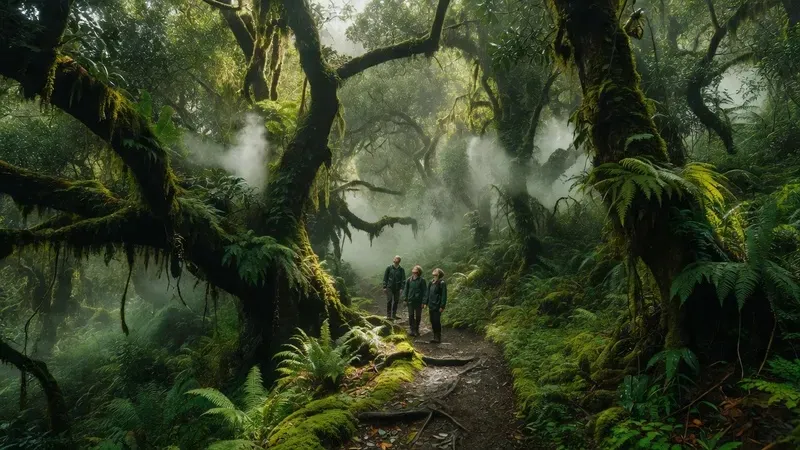
| Cloud Forest Sanctuary Tour | Nature — Jungle walk | Check Availability | 2.5 hrs | $156 | 5.0 ★ | 2 | Unique nature experience |
Whether you're arriving on a cruise ship for six hours or staying for a week, here's how to make the most of your time on the Kona coast — organized by number of days and travel style.
Perfect for cruise ship visitors or a single free day
Start at the Kona Farmers Market on Ali'i Drive — open on Wednesdays and Saturdays. Pick up fresh poke, local honey, and a cup of Kona coffee roasted that morning. Then walk 2 miles south along Ali'i Drive to Kahalu'u Beach Park — one of Hawaii's best free snorkel spots, with green sea turtles as a near-daily sighting. The bay is calm, shallow, and full of fish.
Walk the Kailua-Kona waterfront. The Ahu'ena Heiau — King Kamehameha I's restored personal temple — sits right next to the Courtyard Marriott, and you can view it for free from the shore. Check out the Hulihee Palace (Victorian-era summer home of Hawaiian royalty) and browse the galleries and shops along Alii Drive. Stop at Island Lava Java for a second coffee and an ocean view.
This is the moment the day builds toward. Your boat departs around 5–6 PM, arriving at the manta viewing site as darkness falls. Giant Pacific manta rays — up to 14 feet across — circle beneath the floating light boards. Most guests describe it as one of the best experiences of their life. Book the ride-along option if you'd rather watch from the boat.
Book in advance — fills weeks ahead in summer
Check AvailabilityThe 5-hour South Kona snorkel tour with Sea Quest Hawaii departs early and covers three completely different reef environments — starting with Kealakekua Bay marine sanctuary (home to spinner dolphins and the healthiest coral on the Big Island), then Pu'uhonua O Honaunau, then a remote black sand beach only reachable by boat. Lunch is included.
Departs early AM — check times when booking
Check AvailabilityAfter drying off, board the Atlantis submarine in downtown Kona for a 100-foot descent to see two shipwrecks and the marine life that now calls them home. No swimming required — great for the whole group and a completely different perspective on what's underneath Kona's crystal-clear water.
Check AvailabilityEnd with the manta rays. Even after a full day in the water, this experience is different — darker, quieter, more elemental. The mantas don't care about the time of day. They've been feeding in this spot for thousands of years.
Check AvailabilityA proper taste of Kona — water, volcanoes, and the best of the coast
Browse the Kona Farmers Market (Wednesdays and Saturdays), then walk the Ali'i Drive waterfront. Hulihee Palace, the Ahu'ena Heiau, and the bay-front seawall are all free and all beautiful in the morning light.
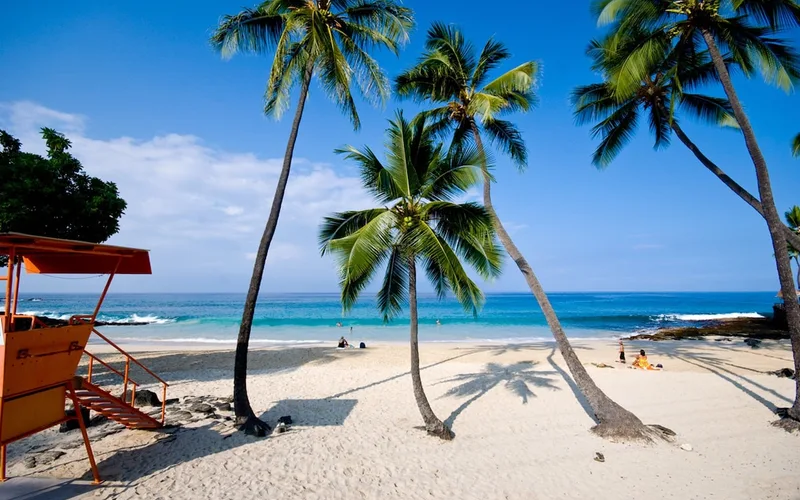
Spend the afternoon at Kahalu'u Beach Park (free entry, snorkel gear rentable nearby) where green sea turtles graze on the reef in front of you. Then walk north to Magic Sands Beach (La'aloa Bay) — a white sand beach that disappears in winter surf and reappears in summer, right on Ali'i Drive.
The Kona waterfront at sunset is genuinely beautiful. Grab a table at Huggo's on the Rocks or Jackie Rey's Ohana Grill — both right on the water. The Kona Brewing Company taproom (Kona Pub & Brewery) is nearby if you want local craft beer.
A guided 11-hour tour covers the entire Big Island's highlights — a Kona coffee farm above Kealakekua Bay, Punalu'u Black Sand Beach (turtles), Hawaii Volcanoes National Park (steam vents, crater rim, lava tube), Akaka and Rainbow Falls, and the Waipio Valley overlook. Lunch, snacks, park admission, and rain jackets all included.
Hotel pickup available from most Kona and Kohala Coast resorts
Check AvailabilityIf you still have energy after the day tour, book the manta ray night snorkel. The boat departs around 5–7 PM, so timing is tight but doable. Alternatively, save this for Day 1 and do the day tour on Day 2.
The $75 option is a good choice after a long day — relaxed boat with snorkel option
Check AvailabilityFive hours on the water visiting Kealakekua Bay, the Place of Refuge (Pu'uhonua O Honaunau), and a remote coastline only accessible by boat. This is the most comprehensive snorkeling you can do in Kona in a single session — 3 completely different reefs, gourmet lunch included.
Check AvailabilityTwo ocean experiences in one day. The manta ray snorkel is in the evening and feels completely different from daytime snorkeling — darker water, glowing plankton, the sounds of the ocean at night.
Check AvailabilityRest, explore Kailua-Kona at your own pace. Kahalu'u Beach for a solo snorkel, the Palace Museum, or just coffee and the ocean view. The day tour doesn't depart until mid-morning.
This 12-hour tour starts with a Kona coffee farm, heads to the black sand beach for sea turtles, then hits Hawaii Volcanoes National Park at twilight when the crater glows most dramatically. Dinner is included at a cafe near the park. Afterward: stargazing near Mauna Kea under the darkest skies on the island.
Check AvailabilityThe full Kona experience — ocean, land, history, and the sky
Start with the Kona Farmers Market and a cup of estate-grown Kona coffee. Walk Ali'i Drive to the Ahu'ena Heiau (King Kamehameha I's personal temple, free to view), then visit the Hulihee Palace ($6 entry — royal summer home turned museum). The Kaloko-Honokohau National Historical Park, 2 miles north, has ancient fishponds, petroglyphs, and daily sea turtle sightings along an easy coastal trail. Free entry.
Free snorkeling at Kahalu'u Beach Park (mask and fin rentals nearby). Green sea turtles are almost a guaranteed sighting on the shallow reef. Drive 1 mile north to Magic Sands / La'aloa Bay for a white sand beach swim.
The perfect way to end Day 1. Book this in advance — it's the most sought-after experience in Kona and often sells out.
Check AvailabilityDrive 30 minutes north on the Queen Ka'ahumanu Highway (Hwy 19) into the Kohala Coast — a stretch of spectacular white sand beaches hidden behind lava fields and luxury resorts. Hapuna Beach State Recreation Area is consistently ranked among Hawaii's best beaches: long, wide, pristine, with excellent snorkeling on the south end. Mauna Kea Beach (adjacent) is calmer and equally beautiful.
Stop at the Waikoloa Petroglyph Preserve — a free, short trail through ancient Hawaiian lava rock carvings that mark this area as a traditional Hawaiian crossroads. Then browse the Kings' and Queens' Marketplaces at Waikoloa, swim at Anaeho'omalu Bay (A-Bay), where there's free beach access and spinner dolphins in the morning.
The Canoe Bar at the Fairmont Orchid and the bar at the Waikoloa Beach Marriott both have open ocean views for the sunset hour. Or drive back to Kailua-Kona and catch sunset from the seawall on Ali'i Drive.
Drive 20 miles south to Pu'uhonua O Honaunau National Historical Park ($20 per vehicle, 7-day pass). This 15th-century sanctuary — where Hawaiians who broke sacred laws could seek refuge and absolution — is one of the most spiritually significant sites in the Hawaiian Islands. The adjacent 'Two-Step' shore snorkel site (free) is arguably the best snorkeling on the entire Kona coast. Rocky entry, but the underwater world is extraordinary.
Head up the mountain on Highway 11 through coffee country. Stop at Bay View Farm, Greenwell Farms, or UCC Hawaii — all offer free farm tours and tastings. The views of Kealakekua Bay from these hillside farms are spectacular. Budget 2–3 hours to drive slowly, taste coffee, and take in the scenery.
Drive down to Captain Cook town (small snack bars, local plate lunch) and walk to the Kealakekua Bay overlook at sunset. The Captain Cook Monument is visible across the bay — a small white obelisk on the site where Captain James Cook was killed in 1779. The bay turns gold and the dolphins often surface for one last show before dark.
The 5-hour Sea Quest Hawaii rigid-hull inflatable tour is the most immersive snorkeling you can do in Kona — 3 different reef ecosystems, gourmet lunch, all gear included. Kealakekua Bay, Place of Refuge, and a remote black sand beach reachable only by boat.
Check Availability100 feet down, two shipwrecks, zero swimming required. A completely different perspective on the reef systems you just snorkeled.
Check AvailabilityThe classic Hang Loose Boat Tours experience — the most-reviewed manta ray tour in Kona. Book in advance.
Check AvailabilityA guided full-day tour covering the entire Big Island — coffee farm, black sand beach, Hawaii Volcanoes National Park, Macadamia Nut Factory, Hilo waterfront, Rainbow Falls, Akaka Falls, Waipio Valley Overlook. Lunch, drinks, and park admissions all included. Small group max 13 people.
Check AvailabilityFree morning. Drive up to Hapuna Beach for a swim and snorkel — it's one of the most beautiful beaches in the Pacific and easy to spend 3 hours here without noticing. Or head to Kahalu'u for an easy turtle snorkel close to town.
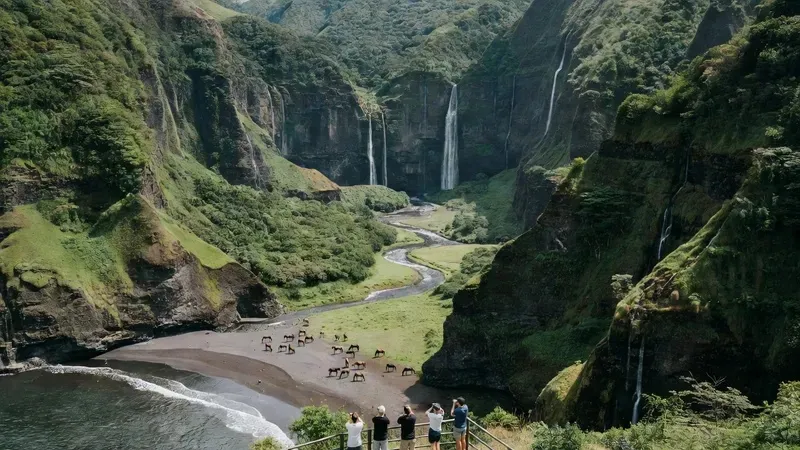
The 8-hour Hawaii Forest & Trail tour takes you to the 13,796-foot summit of Mauna Kea in time for sunset — above the clouds, above the observatories. Then down to the Visitor Information Station for stargazing through an 11-inch professional telescope. The Milky Way, Saturn's rings, distant galaxies. Winter parkas provided. The clearest sky you will ever see.
Check AvailabilityKona and the Kohala Coast offer everything from budget-friendly condo resorts right on Ali'i Drive to some of the most exclusive luxury resorts in the entire United States. Location matters a lot — Kailua-Kona town is best for walkability and access to water tour departures, while the Kohala Coast (30 minutes north) is where the major beach resorts sit. Here's what locals and repeat visitors actually recommend.
Two resorts in a category of their own — both on private stretches of North Kona coast, both consistently ranked among the top resorts in the United States.
Condé Nast, Travel + Leisure — #1 resort on Big Island
The gold standard for luxury on the Big Island — a secluded North Kona resort on 865 acres of volcanic coastline with four swimming pools, a private beach, and a natural lava rock pool (King's Pond) stocked with tropical fish that you can snorkel in any time of day. Service is legendary — the guest-to-staff ratio is nearly 1:1. No lobby to speak of, just open-air spaces flowing into the ocean.
Best for: Honeymoons, milestone anniversaries, guests who want everything on-site
Reopened 2022 after full rebuild following 2011 tsunami
Hawaii's most intimate luxury resort — 150 traditional Hawaiian bungalows (hales) on a private beach, no rooms above two stories, no distractions. The original Kona Village opened in 1965 and was one of the most beloved resorts in the country before being destroyed by the 2011 tsunami. Rosewood rebuilt it from the ground up. The fish ponds, petroglyph fields, and palm groves were preserved. If Four Seasons Hualalai is excellence, Kona Village is magic.
Best for: Couples who want to disconnect completely, guests who value authenticity and history
The major Kohala Coast resorts — all with excellent beaches, multiple pools, and full activity programs. These are where most tour operator pickups originate.
Auberge Collection — consistently top-rated on Kohala Coast
One of the original great Kohala Coast resorts, now beautifully renovated under the Auberge Collection. Known for its ancient Hawaiian fishponds (still teeming with mullet and milkfish) and its pristine beach with excellent snorkeling. The spa is exceptional. The two golf courses are among the best on the island.
Best for: Active travelers, golf enthusiasts, guests who want history with luxury
TripAdvisor — top family resort on Big Island
The Big Island's great family resort — a 62-acre complex so large it has its own boat and tram system to navigate between buildings. Multiple pools with waterslides, a dolphin interaction program (fee), canals, art from across Asia and Oceania, multiple restaurants, and a lagoon. It's not the most intimate resort, but for families with children, it's genuinely spectacular.
Best for: Families with children, guests who want maximum on-site activities
Fairmont brand — strong cultural programming reputation
A gracious, large resort with 540 rooms, a beautiful crescent-shaped beach, excellent tennis center (11 courts), and one of the strongest Hawaiian cultural programs of any resort on the island. The Spa Without Walls is famous. Location is convenient for the best Kohala Coast beaches and both Mauna Lani golf courses.
Best for: Tennis players, spa-seekers, guests who want solid all-around value at luxury tier
Adjacent to Hapuna Beach — one of Hawaii's best-rated beaches
The resort closest to Hapuna Beach — which is consistently rated among the top beaches in all of Hawaii for its long stretch of white sand, clear water, and excellent conditions. The Westin sits on the cliffs above the beach, with infinity pool views. Marriott Bonvoy points accepted. A more relaxed, less corporate feel than the larger Kohala resorts.
Best for: Beach lovers, Marriott/Bonvoy members, guests who prioritize the beach over resort amenities
Well-located, comfortable options that give you easy access to water tours, restaurants, and the Kona experience without the luxury price tag.
TripAdvisor — known for manta ray viewing from hotel grounds
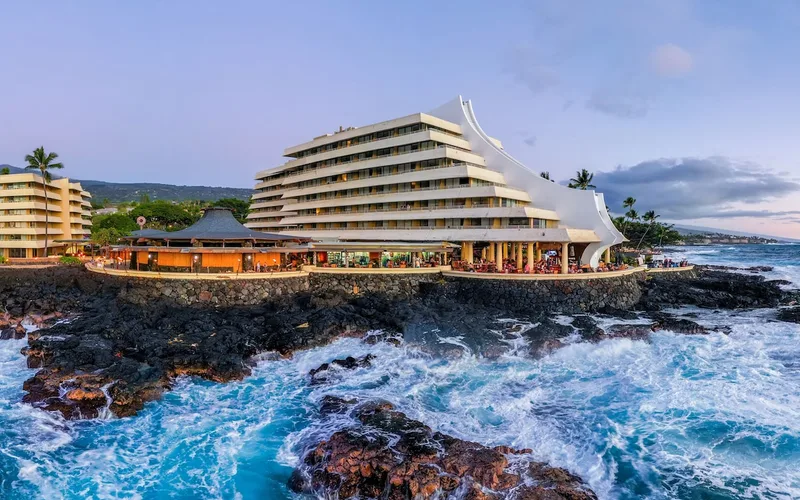
Perched on the lava cliffs above Keauhou Bay — a famous manta ray feeding area — this resort is the only hotel in Hawaii where you can watch manta rays from shore at night (they feed in the shallow bay below). Two pools (adults-only and family), good ocean views, and an excellent on-site restaurant. 5 miles south of downtown Kailua-Kona.
Best for: Manta ray enthusiasts, couples, guests who want ocean views without Kohala prices
Best downtown location on Kailua Bay
The most centrally located hotel in Kailua-Kona — sitting directly on Kailua Bay, adjacent to the Ahu'ena Heiau royal temple. Walk to every restaurant, shop, and historical site in town. The Atlantis submarine and whale watching tours depart within 5 minutes. The beach is small but the bay views are excellent.
Best for: First-time Big Island visitors, guests who want walkability, budget-minded couples
Strong all-around value on Kohala Coast — Marriott Bonvoy
A solid, consistently well-reviewed resort on Anaeho'omalu Bay (A-Bay) — a beautiful, calm beach with excellent snorkeling. More affordable than the neighboring Hilton, Four Seasons, or Fairmont, with access to the same stretch of Kohala Coast. Marriott Bonvoy points apply. Good base for north Kohala Coast day trips.
Best for: Marriott/Bonvoy members, families who want Kohala Coast access at mid-range price
Condo resorts and older properties that give you more space, kitchen facilities, and direct ocean access at a fraction of the luxury price. Popular with families and longer-stay visitors.
Best value with water views in downtown Kona
An older hotel but in an unbeatable location — right on Ali'i Drive with a small private cove, ocean views from most rooms, and a poolside bar. Walking distance to every restaurant and bar in Kona. The rooms have been updated but this is not a luxury hotel — the value is entirely in the location and the ocean access.
Best for: Budget-conscious travelers who want downtown walkability, guests who stay out a lot
Best condo resort for families on the Kona coast
A condo resort in the Keauhou area, 5 miles south of downtown. Spacious units with full kitchens — genuinely useful for families or longer stays. Three freshwater pools, lighted tennis courts, and direct ocean access. Units are individually owned so quality varies; book well in advance for the better-reviewed units.
Best for: Families, longer stays, travelers who cook their own meals
You want to walk to restaurants, bars, and historical sites, and you're doing primarily ocean activities that depart from Honokohau Harbor. The Atlantis Submarine departs from downtown. Best for first-time visitors and short trips.
The beach and the resort are the destination. All the major beach resorts (Mauna Lani, Hilton, Fairmont, Westin, Four Seasons) are on the Kohala Coast, 25–35 minutes north of downtown Kona. You'll need a rental car for everything.
Honokohau Harbor (where most manta tours depart) is between downtown Kona and the Kohala Coast — accessible from both. The OUTRIGGER Kona Resort has its own manta viewing area on property. Most tour operators offer hotel pickup from both areas.
The town of Kailua-Kona is the social and commercial hub of the west side of the Big Island. Ali'i Drive, the 1-mile waterfront strip, holds the best restaurants, bars, historical sites (Ahu'ena Heiau, Hulihee Palace), and the weekly Kona Farmers Market. Kona town is compact and walkable — unusual for Hawaii.
The 20-mile drive south of Kailua-Kona leads to two of the most significant sites on the island: the Kealakekua Bay Marine Sanctuary (home to the Captain Cook Monument and the best snorkeling on the island) and Pu'uhonua O Honaunau National Historical Park — a 15th-century place of refuge for Hawaiians who broke kapu laws. Adjacent 'Two-Step' is the finest shore snorkel on the Kona coast.
The Kona coast is world-renowned for snorkeling and diving — Kealakekua Bay, Kahalu'u Beach Park, and the manta ray cleaning station at Garden Eel Cove are among the top attractions in the Pacific. The calm, clear, leeward waters along the Kona coast see 300+ sunny days per year and near-zero current most of the time.
The best snorkeling spots cluster along the south Kona coast — Kahalu'u Beach Park (free, 10 min from town), Kealakekua Bay (marine sanctuary), and Pu'uhonua O Honaunau (pristine and rarely crowded). Multi-site snorkel tours cover 3 different reefs in one day. Self-guided snorkelers can reach most sites around Kona easily by car.
Two miles north of downtown Kailua-Kona, this free national park protects an intact Hawaiian coastal settlement — ancient fishponds still teeming with mullet, heiau platforms, petroglyphs, and daily sea turtle sightings on the beach. It's among the most accessible and undervisited Hawaiian archaeological sites on the entire island chain.
The best beaches in Kona range from easy-access free spots (Kahalu'u Beach Park, Magic Sands Beach, Kekaha Kai) to the spectacular white sand of Hapuna Beach across the island toward the Kohala Coast. Hapuna is widely considered one of the best beaches in all of Hawaii — 30 minutes north of Kailua-Kona on Highway 19. No car, no beach.
Hawaii's Big Island is unique among all Hawaiian islands — it's large enough that the two coasts have completely different climates, personalities, and landscapes. Most visitors pick one as a base. Here's the honest comparison.
Sunny, dry, coastal, and full of activity
Weather: 300+ sunny days per year — Kona sits in the rain shadow of Mauna Kea and Mauna Loa. Temperatures average 78–85°F year-round. The last time it rained significantly was probably not recently.
More touristy, more developed, more expensive. But for good reason — this is where the best ocean activities in Hawaii concentrate. The town of Kailua-Kona has a genuine walkable core with restaurants, bars, historical sites, and the farmers market.
Lush, rainy, real, and dramatically beautiful
Weather: Averages 130+ inches of rain per year — Hilo is one of the rainiest cities in the United States. It rains almost daily, usually in short bursts, which is exactly why everything is so green. Temperatures are slightly cooler and more variable.
The authentic side. Less tourist infrastructure, lower prices, more local culture. Hilo's Bay waterfront is gorgeous and often empty. The town has a real community feel — working farms, local restaurants, independent shops. The Wednesday and Saturday Hilo Farmers Market is enormous and genuinely affordable.
| Kona (West Side) | Hilo (East Side) | |
|---|---|---|
| Weather | Sunny — 300+ days/year | Rainy — 130+ inches/year |
| Best for | Ocean activities, beaches | Volcanoes, waterfalls, culture |
| To Volcanoes NP | 2–2.5 hours | 45 minutes |
| Accommodation | Full range — higher prices | Limited — much lower prices |
| Nightlife & dining | Strong — walkable town | Limited but authentic |
| Beach quality | Excellent (Hapuna, Mauna Kea) | Poor — mostly rocky black sand |
| Snorkeling | World-class (Kealakekua Bay) | Limited options |
| Airport | KOA — direct flights from mainland | ITO — mostly interisland |
Choose Kona if you want sunshine guaranteed, ocean activities as the focus, and a comfortable tourist infrastructure. Choose Hilo if the volcano, waterfalls, and local culture are your priority and you don't mind daily rain. Many visitors do both — stay in Kona for 3–4 days (ocean, coffee, beach) and stay in Hilo for 2 days to hit Hawaii Volcanoes National Park and the waterfalls without a 5-hour round trip. Renting a car is essentially mandatory on the Big Island regardless of which side you choose.
The manta ray night snorkel is consistently rated the #1 experience in Kona and one of the most memorable activities in all of Hawaii. Giant Pacific manta rays — with wingspans up to 14 feet — gather every night in a specific spot off the Kona coast to feed on plankton attracted by underwater lights. Kona is one of the only places on Earth where you can do this reliably, year-round. Book well in advance as it sells out regularly.
Kona is excellent year-round thanks to its nearly rainless climate. Peak season (and highest prices) runs June through August and mid-December through January. Shoulder seasons (April–May and September–October) offer good weather, fewer crowds, and lower prices. If whale watching is a priority, visit December through April when humpback whales are in Hawaiian waters. The Ironman World Championship takes over Kailua-Kona every October for a spectacular but very crowded event.
Hawaii Volcanoes National Park is approximately 90–100 miles from Kailua-Kona, which takes about 2 to 2.5 hours by car via Highway 11 (the southern route through coffee country and Punalu'u Black Sand Beach). Most visitors do the volcano as a guided day tour from Kona — tours include hotel pickup, all admissions, and return transport, making the day much more comfortable than driving yourself.
Kona is better if you want reliable sunshine, ocean activities (manta rays, snorkeling, whale watching), and beach resort access. Hilo is better if the volcano, waterfalls, and authentic local culture are your priority — and it's significantly closer to Hawaii Volcanoes National Park (45 minutes vs. 2.5 hours). Many travelers split the trip: 3–4 nights in Kona and 2 nights in Hilo. A rental car is essential regardless of where you stay.
Several excellent beaches are within 30 minutes of Kailua-Kona. Kahalu'u Beach Park (2 miles south) is the best free snorkel spot with sea turtles. Magic Sands Beach (La'aloa Bay, 1 mile south) is a classic white sand beach right on Ali'i Drive. Hapuna Beach State Recreation Area (30 minutes north on the Kohala Coast) is widely considered one of the best beaches in Hawaii — long, wide, clear water. Mauna Kea Beach is adjacent. A-Bay (Anaeho'omalu Bay) at Waikoloa is calmer and has good snorkeling.
Yes — manta rays are completely harmless. They have no stingers (unlike stingrays), no teeth capable of biting humans, and no defensive behavior toward swimmers. They feed only on microscopic plankton. All tours provide safety briefings, wetsuits, snorkel gear, and guides in the water at all times. The 'ride-along' option lets you watch from the boat without entering the water, which is also excellent for children or anyone uncomfortable in the ocean.
Yes. You don't need to be a strong swimmer — you simply float on the surface holding onto a lighted surfboard while the mantas feed below you. Wetsuits provide natural buoyancy and life jackets are available. The 'ride-along' (non-swimming) option lets non-swimmers experience everything from the boat. The tour guides stay in the water alongside all swimmers.
Kona coffee is considered among the finest coffees in the world, grown only in the Kona Coffee Belt — a narrow 30-mile strip on the slopes of Mauna Loa volcano, above Kealakekua Bay. The volcanic soil, consistent cloud cover in the afternoons, and perfect altitude (800–2,500 feet) create ideal growing conditions. Because genuine Kona coffee can only be grown in this specific area, production is small and prices are high. Fake '10% Kona blends' are widely sold; look for '100% Kona Coffee' on the label. Farm tours at Bay View Farm, Greenwell Farms, and others are free or low-cost.
For Kailua-Kona town itself, a car is not essential — you can walk Ali'i Drive, take rideshare to tours, and stay in town without driving. However, to access Kohala Coast beaches (30 minutes north), Hawaii Volcanoes National Park (2.5 hours south), Kona coffee country (20 minutes up the mountain), and Punalu'u Black Sand Beach (1 hour south), a rental car is effectively essential. Most visitors rent a car for the full duration of their stay.
Yes — a helicopter tour is one of the most dramatic ways to see the Big Island. Helicopter tours from Kona typically cover the Kohala Coast, Waipio Valley, and (on active days) flowing lava at Hawaii Volcanoes National Park. They're expensive ($300–$600 per person) but provide aerial perspective impossible from the ground. Blue Hawaiian Helicopters and Safari Helicopters both operate from Waimea/Kohala. Book during your stay in Kona if the volcano is actively erupting — timing matters.
Kona is famous for three distinctive products: Kona coffee (grown on volcanic slopes above Kealakekua Bay — one of the world's rarest and most expensive coffees), Kona sea salt (harvested from ancient lava ponds using traditional methods in Kona, Hawaii), and Kona Brewing Company (one of Hawaii's most celebrated craft breweries, founded in 1994 in Kailua-Kona). All three are available to taste locally — coffee farm tours are free or cheap, Kona Brewing has a pub on the waterfront.
The best Big Island recommendations for first-time visitors: (1) book the manta ray night snorkel for your first or second night — it sells out weeks ahead, (2) rent a car — there's no substitute on the Big Island, (3) allocate at least one full day for Hawaii Volcanoes National Park, (4) plan for 4+ nights to properly see both the Kona and Hilo sides. A trip to the Big Island is best as 7+ nights if you want to see everything. One week is a comfortable minimum.
The easiest excursion on the Big Island from Kona is a guided day tour — they handle transport, admissions, and hotel pickup. The most popular: the Volcanoes + Coffee Farm day tour (11 hours, covers everything between Kona and Hilo), the Mauna Kea summit stargazing tour (8 hours, evening departure), and the Full Day Circle Island Tour from Kona (12 hours, covers the entire Big Island in one day). Independent excursions by rental car are also easy — Highway 11 south from Kona reaches the volcano in 2 to 2.5 hours.
Kona International Airport (KOA) receives direct flights from Los Angeles, San Francisco, Seattle, Denver, Phoenix, Dallas, Chicago, and other mainland US cities. Airlines operating direct routes include United, American, Southwest, Alaska, and Delta (seasonal). The airport is 8 miles north of downtown Kailua-Kona — about 15 minutes by car. Car rental agencies are on-site. Note: Kona International is a small, open-air airport — it's not the same as Hilo International (ITO) on the east side.
One week gives you enough time on the Big Island to see both Kona (west side of the island) and Hilo (east side) comfortably. Most visitors base themselves in Kona for 4–5 nights (better weather, more ocean activities) and then spend 1–2 nights in Hilo to visit Hawaii Volcanoes National Park and the waterfalls. Kona and Hilo are 90 miles apart via Highway 11 (the southern route, 2–2.5 hours) or Highway 190 / 19 via Waimea (slightly faster). Renting a car is essential for doing both.
Hawaii's Big Island (officially 'Hawaii Island') is known as the Big Island to distinguish it from 'Hawaii' (the state). It's the youngest and largest island in the Hawaiian chain — at 4,028 square miles, it's nearly twice the size of all other Hawaiian islands combined. The Big Island is still actively growing via ongoing volcanic activity at Hawaii Volcanoes National Park. Locally and in the tourism industry, 'Big Island' is the universal nickname — you'll see it on signs, tour brochures, and airline route maps across the island.