Manta Ray Night Snorkel Kona Hawaii — What to Expect, Which Tour to Book, and Why It's One of the World's Best Wildlife Encounters
Every night off the Kona coast, something extraordinary happens. Underwater lights attract clouds of plankton, and plankton attracts giant Pacific manta rays — animals with wingspans up to 14 feet — to within arm's reach of snorkelers floating at the surface. Kona's manta ray night snorkel has been named one of the top 10 wildlife experiences in the United States and one of the top 25 in the world. This guide covers exactly what happens, which tour is worth booking, and how to prepare for a first-timer.
About This Activity
Up to 24h in advance — full refund
Book your date today, pay nothing until later
Departs at sunset from Kailua-Kona, returns by ~10pm
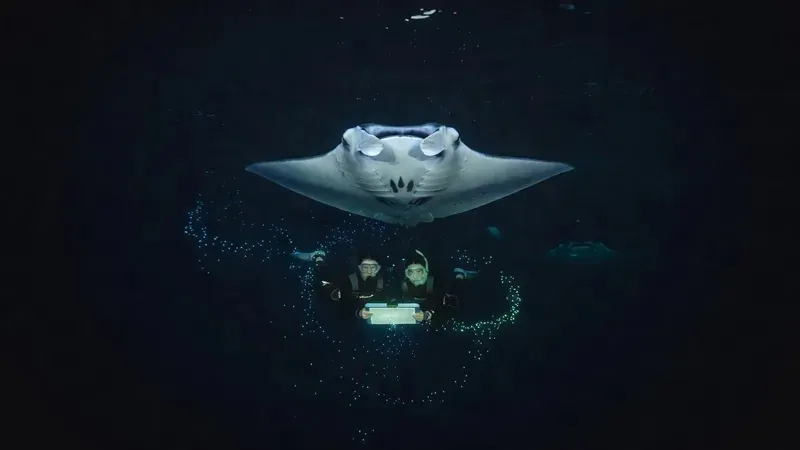
Snorkelers enter the water and hold light boards at the surface — mantas pass beneath you
Wingspan up to 14 feet — filter-feeders, completely harmless to humans
Most-reviewed night tour on the Big Island — Hang Loose Hawaii
Check Live Dates & Prices
Real-time availability for the Kona manta ray night snorkel — the #1 rated night tour on the Big Island.
What Actually Happens on a Manta Ray Night Snorkel in Kona
How the Manta Ray Night Encounter Works
The science behind the experience is elegant: underwater lights attract zooplankton (tiny organisms that drift in the current). Zooplankton attract giant Pacific manta rays, which feed by swimming through dense plankton clouds with their cephalic fins — wing-like structures on either side of their mouths — flared open. A manta ray feeding is a spiraling, barrel-rolling motion performed at low speed, which is why snorkelers can get so close.
You float face-down at the surface holding onto a light board. Below you, at depths of 10–20 feet, the mantas arrive one by one and begin feeding. A single manta may complete 20–30 spiraling passes beneath the same group of snorkelers over a 45-minute window. On peak nights, 5–10 individual mantas work the lights simultaneously — the combined wingspan of that many animals, banking and rolling in slow motion directly beneath you, is genuinely disorienting in the best possible way.
- Lights attract plankton → plankton attracts mantas → mantas feed below you
- Manta ray wingspan: 8–14 feet typical; the largest recorded off Kona exceeds 18 feet
- Mantas are filter feeders — no teeth, no threat to humans whatsoever
- Each manta is individually identified by belly spot pattern — Kona researchers have catalogued 250+ named individuals
- The feeding area is shallow (15–25 feet) — no dive certification needed, just snorkeling ability
The Timeline of a Manta Ray Night Tour
The tour runs approximately 2.5 hours total — here's how a typical evening flows:
Before sunset (pre-departure): Meet at the dock in Kailua-Kona. Gear up, receive safety briefing, board the boat. Hang Loose Hawaii's operation is efficient — you're on the water within 20 minutes.
Transit (20 minutes): The boat runs to the manta aggregation site — typically a shallow reef flat between Keauhou Bay and the Sheraton Kona Hotel, known as "Manta Heaven." This site has documented the highest consistent manta aggregation in Hawaii since the 1970s.
In-water time (45–60 minutes): Snorkelers enter the water and hold the light board. Mantas typically arrive within 10–15 minutes of lights going in. The encounter itself is 45–60 minutes of continuous manta activity on most nights.
Return transit (20 minutes): Boat returns to the dock. On-board debrief from the guide about the individual mantas spotted, their names, and their behavioral patterns.
Return to dock: Typically by 9:30–10:00pm.
- Meeting time: check your specific booking — typically 6:00–7:00pm depending on season and sunset time
- In-water time: 45–60 minutes at the manta site
- Depth: you float at the surface — no freediving needed
- Location: Manta Heaven site off Keauhou Bay (15–20 min boat from Kailua-Kona)
Manta Ray Sighting Rate — What to Expect
The sighting rate for manta rays on Kona night tours is exceptional by wildlife encounter standards. Hang Loose Hawaii and most Kona operators report 90–95% sighting success — meaning nearly every departure sees at least one manta, and most nights produce multiple individuals.
The rare no-show nights happen after extended heavy weather that disrupts plankton distribution, or during occasional calendar windows when manta movement patterns shift. These are uncommon. If your tour departs and no mantas appear, most operators offer a complimentary rebooking on a future date.
The number of mantas on any given night varies: a quiet Tuesday in February might produce 2–3 animals; a busy Saturday in peak season (July through September, December through January) might produce 8–12 individuals simultaneously. Either way, a single manta at close range is enough to make the experience memorable.
- Sighting rate: ~90–95% on scheduled departures
- Average mantas per night: 3–6 individuals
- Peak nights: July–September and December–January
- No mantas policy: most operators offer rebooking at no charge
Which Manta Ray Tour to Book in Kona Hawaii
Tour Option 1 — Hang Loose Hawaii Night Manta Adventure ($122) — In-Water Snorkeling
The top-rated manta ray night tour in Kona is the Hang Loose Hawaii Night Manta Adventure — 4.9★ across 1,368 reviews, which is the most-reviewed night tour on the Big Island by a large margin. This is a dedicated snorkel experience: guests enter the water and hold the light board from the surface, putting them at maximum proximity to the feeding mantas.
Hang Loose limits group size to keep the experience uncrowded at the manta site. Guides are in the water with you and provide ongoing commentary — manta ray names, feeding behavior, individual identification by belly pattern. Gear is provided (wetsuit, mask, fins, snorkel). The price includes all equipment and the guided in-water experience.
This tour fills weeks in advance during peak season (July–September, December–January). Book early.
- Price: $122 per adult — all gear included
- Experience: in-water snorkeling with light board at the surface
- Rating: 4.9★ — 1,368 reviews
- Group size: limited for uncrowded in-water experience
- What's included: wetsuit, mask, fins, snorkel, guide in the water with you
Tour Option 2 — Kona Coast Boat Tours Manta Ray Watching ($75) — Boat-Based Viewing
For visitors who prefer to watch from the boat rather than enter the water — or for those with children too young for in-water snorkeling — the Kona Coast Boat Tours manta ray watching trip offers the same manta aggregation site at a lower price point.
Passengers watch the manta feeding from above through the clear water, illuminated by the boat's lights. Some departures allow optional water entry for those who want to snorkel, but the primary format is boat-deck viewing. The experience is still remarkable from above — you're watching 8–12-foot animals spiral in illuminated water directly beneath the boat.
At $75 per person (4.8★ across 540 reviews), this is the better option for families with young children, travelers who don't snorkel confidently, or anyone who wants the manta encounter without an in-water component.
- Price: $75 per adult — significantly lower price point
- Experience: boat-deck viewing; optional water entry on some departures
- Rating: 4.8★ — 540 reviews
- Best for: families with young children, non-confident swimmers, travelers who prefer to stay dry
- Same manta site as the in-water tour — the viewing quality from the boat is excellent
In-Water vs. Boat-Based — How to Choose
The in-water tour ($122, tour-1) puts you in the water 3–5 feet above feeding mantas. The boat-based tour ($75, tour-2) gives you the same mantas visible from 10–15 feet above on the boat deck. Both options are legitimate and genuinely impressive.
Choose in-water if: you're a confident snorkeler and want the closest possible contact with the mantas. The proximity — a 12-foot animal banking toward your face underwater — is qualitatively different from watching from the boat.
Choose boat-based if: you have young children (under 8 or 10), are not a strong swimmer, have a physical reason to avoid cold water, or simply prefer to stay dry. The mantas are still spectacular.
Note: the in-water experience is what almost every "top 10 wildlife experiences" list is describing when they reference Kona manta rays. If that's why you're going, choose the in-water snorkel.
- In-water (tour-1, $122): maximum proximity, wetsuit provided, guide in water with you
- Boat-based (tour-2, $75): excellent viewing from deck, good for families and non-swimmers
- Both depart from Kailua-Kona, both visit Manta Heaven site off Keauhou Bay
What to Know Before Your Manta Ray Night Snorkel in Kona
Is the Manta Ray Night Snorkel Safe?
Yes. Giant Pacific manta rays are filter feeders — they have no teeth and no stinger. The largest documented manta in Kona's waters is over 18 feet across and completely harmless. Mantas have coexisted with Kona snorkelers for decades without incident.
The main physical requirements are comfort in open water at night and basic snorkeling ability. You do not need to be a strong swimmer — the light board floats and keeps you at the surface. Guides are in the water with the group throughout the encounter.
Open-water conditions at night can feel disorienting for first-timers — darkness, slight swell, and the absence of a visible bottom all play a role. Most people adjust within a few minutes of entering the water. If you're nervous about open-water snorkeling at night, the boat-based tour is a lower-stress alternative that still provides an exceptional manta encounter.
- Manta rays: no teeth, no stinger — completely harmless to humans
- Required ability: basic snorkeling comfort; guides are in the water with you
- Open-water at night: can feel disorienting for first-timers — normal, passes quickly
- Alternative: boat-based viewing if open-water night snorkeling sounds stressful
Best Conditions for the Manta Ray Snorkel — When to Go
Manta ray night tours run year-round in Kona — the aggregation at Manta Heaven has been active every season since the site was discovered in the 1970s. That said, certain conditions improve the experience:
Calm seas: The boat transit to the manta site is 15–20 minutes on open water. On calm nights the transit is smooth and the water surface is glassy, making manta viewing from above (for boat-based tours) exceptional. Summer months (June through September) have the most reliably calm seas.
No moon: A new moon or crescent moon night produces darker skies, which makes the underwater bioluminescence and plankton glow more vivid. Full moon nights are still excellent — the extra light just slightly reduces the drama of the glowing water.
Plankton conditions: High plankton density = more mantas, longer feeding sessions. Spring blooms (February through April) and summer nutrient upwelling (July through September) typically produce the highest manta activity.
- Year-round: tours run every night, weather permitting
- Best months for calm seas: June through September
- Best for plankton density: February–April and July–September
- New moon nights: darker water = more dramatic light board glow
- Check operator cancellation policy — tours do cancel for rough weather
Not Suitable For and What to Bring
The manta ray night snorkel has a short list of physical restrictions, but it's important to know them before booking.
- Not suitable for: children under 7 (minimum age varies by operator — confirm when booking)
- Not suitable for: pregnant women (open-water snorkeling at night is not recommended)
- Not suitable for: people with serious heart or lung conditions
- What to bring: swimwear under a warm layer for the boat ride back (the wetsuit provided keeps you warm in the water, but the boat deck gets cold at night)
- What to bring: camera or GoPro — underwater housing strongly recommended; the experience is well worth documenting
- Not allowed: touching the mantas — this is both a federal wildlife regulation and disrespectful to the animals
The Manta Ray Research Program — Kona's Living Marine Biology Project
The Manta Pacific Research Foundation and Kona's Named Mantas
What makes Kona's manta encounter genuinely unusual — beyond the access — is that you're interacting with individually catalogued, named animals. The Manta Pacific Research Foundation has been tracking Kona's manta ray population since 1994. Each manta is identified by its unique belly spot pattern (like a human fingerprint), photographed on every sighting, and entered into a database that now spans over 30 years.
Mantas in Kona's population have names: Lefty (missing the left cephalic fin), Big Bertha (the largest female, over 14 feet), Survivor (scarred from a boat propeller strike). The long-running dataset allows researchers to track individual manta health, movement patterns, and the genetic relationships within the population.
On better Hang Loose tours, the guide identifies the mantas by name in real-time during the encounter. Hearing a guide say "that's Big Bertha — she's been coming to this site since 1998" while the animal rolls beneath you adds a dimension to the experience that pure wildlife tourism rarely delivers.
- Manta Pacific Research Foundation: active research since 1994 in Kona
- 250+ named, individually identified mantas in the Kona catalogue
- Each manta identified by unique belly spot pattern
- Research data spans 30+ years — one of the longest manta datasets in the world
- Tour operators participate in citizen science by photographing and reporting manta sightings
Manta Ray Night Snorkel Kona Hawaii — Frequently Asked Questions
Is manta ray night snorkeling in Kona safe?
Yes. Giant Pacific manta rays are filter feeders — no teeth, no stinger. They are completely harmless to humans. Manta ray night tours have operated in Kona for decades without injury to either mantas or snorkelers. The main requirement is basic snorkeling comfort in open water at night. Guides are in the water with you throughout the encounter. The boat-based option is available for those who prefer not to enter the water.
Are the manta rays guaranteed on Kona night tours?
Not guaranteed, but the sighting rate is among the highest for any wildlife tour in Hawaii — approximately 90–95% on scheduled departures. On the rare night when no mantas appear, most Kona operators offer a complimentary rebooking. Manta activity is highest in summer (July through September) and during peak plankton seasons.
How big are the manta rays in Kona Hawaii?
Giant Pacific manta rays (Mobula birostris) in Kona's waters typically have wingspans of 8–14 feet. The largest documented individual off Kona exceeds 18 feet across. For comparison, that's wider than a standard parking space is long. They are the largest ray species in the world. Despite their size, they are completely harmless — filter feeders that eat only plankton.
What is the difference between the manta ray dive and the manta ray snorkel?
Kona manta encounters are primarily snorkeling experiences (surface level), not scuba diving. Snorkelers float at the surface holding a light board at 3–5 feet depth; the mantas feed below at 15–25 feet. Some operators offer the same site as a scuba dive for certified divers, who descend to the reef floor and look up at the mantas passing overhead — a different perspective, equally spectacular. Most visitors without dive certification do the snorkel, which provides close manta contact without needing any certification.
What time does the manta ray night snorkel depart?
Departure times vary by season and sunset time — typically between 6:00pm and 7:30pm. Check your specific booking confirmation for the exact meeting time. The tour returns to the dock by approximately 9:30–10:00pm. Arrive 15 minutes before the listed departure time for gear distribution and safety briefing.
Can children do the manta ray night snorkel in Kona?
Age requirements vary by operator — most require a minimum age of 7–8 for the in-water snorkel experience. For younger children, the boat-based viewing tour (tour-2, $75/person) allows the family to watch the mantas from the deck without a minimum age restriction on most departures. Confirm the minimum age with your specific operator at booking.
What should I wear for the manta ray night snorkel?
Wear your swimsuit under a warm layer — a light sweatshirt or windbreaker. The wetsuit provided by the operator keeps you warm in the water, but the boat deck gets cold on the return trip, especially on winter nights. Bring a dry towel. Leave valuables and anything you don't want to get wet at the hotel — the boat has limited dry storage. A waterproof camera or GoPro is worth bringing for the in-water experience.
Is manta ray snorkeling one of the best things to do in Kona Hawaii Big Island?
It consistently ranks as the most memorable single experience visitors have on the Big Island — routinely listed among the top 10 wildlife encounters in the United States. It's unique to Kona: no other location in the world offers this type of reliably accessible, predictable manta ray night encounter. If you're planning a trip to Kona, book the manta ray night snorkel before anything else — it sells out weeks ahead in peak season.