Kona Coffee Farm Tour Big Island — The Honest Guide to Visiting Kona's Coffee Belt in 2026

Kona coffee is one of the most expensive and sought-after coffees in the world — and it grows on the slopes of Mauna Loa and Hualalai just above Kailua-Kona, in a narrow 30-mile belt where altitude, volcanic soil, and afternoon cloud cover create conditions found nowhere else on Earth. Visiting a Kona coffee farm gives you more than a tasting: it puts you inside the agricultural story behind a cup that retails for $50–$80 per pound. This guide covers which farms to visit, what to expect on a tour, and how to combine a coffee farm visit with the best of what the Big Island has to offer in a single day. Coffee country is one chapter of the wider Kona things-to-do guide. The belt is at its busiest during harvest, and the best time to visit Kona sets out what each month looks like on this coast.
About This Activity
Up to 24h in advance — full refund
Book your date today, pay nothing until later
Covers all 8 climate zones of the Big Island — from coffee country to active volcanic craters
Bay View Farm on Mauna Loa slopes — taste estate coffee and learn the harvest-to-cup process
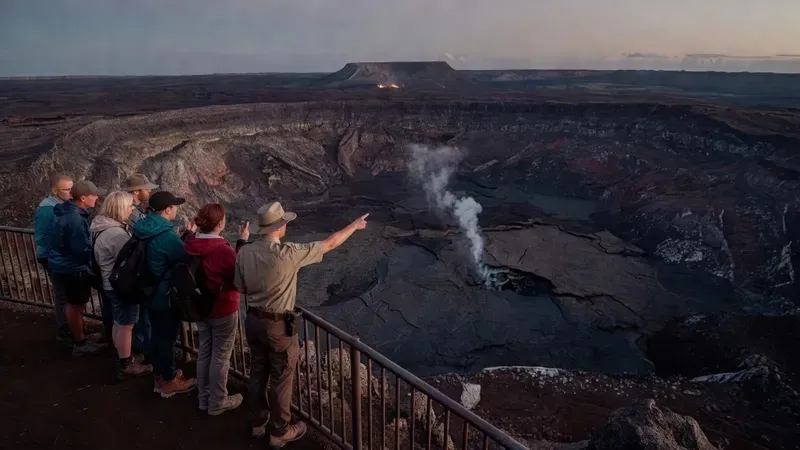
Steam vents, Kilauea crater rim, Thurston Lava Tube — park admission included
Most popular Big Island day tour from Kona — Wasabi Tours Hawaii
Check Live Availability & Prices
Real-time dates for the Wasabi Tours Big Island day trip — Kona coffee tasting, Hawaii Volcanoes, Akaka Falls, and Punalu'u Black Sand Beach in one 11-hour circuit.
What Makes Kona Coffee Special — The Science Behind the Price
The Kona Coffee Belt — Why This 30-Mile Strip Produces World-Class Coffee
The Kona Coffee Belt runs along the western slopes of Mauna Loa and Hualalai volcanoes, between approximately 800 and 2,500 feet in elevation, on the island's leeward (dry) side. This narrow strip — 30 miles long and rarely more than 2 miles wide — has a microclimate that produces some of the most consistently excellent arabica coffee in the world.
The conditions are precise: morning sun, afternoon cloud cover (which keeps temperatures from spiking), well-drained volcanic soil rich in minerals from recent lava flows, and 60–80 inches of annual rainfall concentrated in the afternoons. The result is a slow-maturing coffee cherry with a dense, complex bean. Kona coffee has a characteristic smooth body, low acidity, and chocolate-caramel finish that is noticeably different from Central American or Ethiopian arabicas of comparable quality.
Less than 4,000 acres of the Kona Belt are under active coffee cultivation — a tiny production volume by global standards. This scarcity, combined with high labor costs and the cost of farming volcanic terrain by hand, is why genuine 100% Kona coffee retails for $50–$80 per pound.
- Elevation: 800–2,500 feet on the slopes of Mauna Loa and Hualalai
- Microclimate: morning sun, afternoon cloud cover — natural temperature regulation
- Soil: mineral-rich volcanic basalt with excellent drainage
- Production: under 4,000 acres cultivated — very limited global supply
- Flavor profile: smooth body, low acidity, chocolate-caramel and nutty finish
- Price: $50–$80 per pound for genuine 100% Kona estate coffee
'Kona Blend' vs. '100% Kona' — The Label Issue You Need to Know
Hawaii law allows coffee labeled 'Kona Blend' to contain as little as 10% Kona coffee — the remaining 90% can be cheaper coffee from Central America, Brazil, or elsewhere. You will encounter 'Kona Blend' bags at grocery stores, souvenir shops, and even some farm gift shops priced at $15–$25 per pound. This is not Kona coffee by any meaningful definition.
Genuine 100% Kona coffee will be clearly labeled '100% Kona Coffee' and priced accordingly ($45–$80+ per pound). On farm tours, you will taste and purchase directly from the estate — there is no blending. Buying from the farm is the most reliable way to get authentic Kona.
The Kona Coffee Farmers Association has lobbied for stronger labeling laws for years. When buying as a gift or souvenir, read the label carefully. If it says 'blend,' you're paying a premium for something that contains mostly commodity-grade coffee.
- 'Kona Blend' = legally only 10% Kona coffee — avoid unless you understand what you're buying
- '100% Kona Coffee' = the real thing — expect to pay $45–$80/lb
- Safest purchase: buy directly from a farm during a tour — no blending, transparent sourcing
- Certifications to look for: Kona Coffee Farmers Association seal, estate lot numbers
Best Kona Coffee Farms to Visit on the Big Island
Bay View Farm — Featured on the Wasabi Tours Day Trip
Bay View Farm on the slopes of Mauna Loa is the coffee stop included in the Wasabi Tours Big Island volcanoes, waterfalls and Kona coffee farm day trip. It's a working estate farm, not a tourist demonstration — the trees you walk past are in active production, and the coffee you taste was grown and processed on the same property.
The tasting covers multiple roast levels from the same estate lot, which is a useful demonstration of how roast degree transforms the same bean: the light roast reveals the fruit and floral notes from the volcanic terroir, while the dark roast shifts to chocolate and caramel. The farm staff explain the full harvest-to-cup process — hand-picking red cherries, wet-processing to remove the fruit, drying on raised beds, milling to the green bean stage, and roasting.
For visitors on the Wasabi Tours day trip, this is a 45–60 minute stop that includes a guided walk through the trees and a seated tasting. Coffee is available for purchase.
- Included in the Wasabi Tours Big Island day trip at no extra charge
- Working estate farm on Mauna Loa slopes — not a demonstration property
- Tasting covers multiple roast levels from the same estate lot
- Guided walk through the coffee trees with harvest-to-cup explanation
- Coffee available for purchase at farm prices (more competitive than airport or hotel shops)
Greenwell Farms — One of the Oldest and Largest Kona Estates
Greenwell Farms in Kealakekua (about 12 miles south of Kailua-Kona) is one of the most recognized names in Kona coffee and one of the easiest farms to visit independently. The estate covers 30 acres and is one of the few in Kona large enough to offer drop-in tours without advance booking — free guided tours run daily at regular intervals.
The farm dates back to 1850, when Henry Nicholas Greenwell planted the first coffee trees on the property. Today it's run by the fifth generation of the Greenwell family. The tour covers the full estate: coffee trees at different growth stages, the wet mill where cherries are processed, the drying beds, and the roasting facility. Tasting at the end includes 5–6 coffees in different roast profiles.
Greenwell Farms ships to the mainland and is widely considered one of the most consistent 100% Kona estates in terms of year-over-year quality. The farm store also carries macadamia nuts and tropical fruit products grown on the property.
- Location: 81-6581 Mamalahoa Hwy, Kealakekua (12 miles south of Kona on Hwy 11)
- Tours: free, daily — drop-in, no reservation needed (check current schedule on arrival)
- Estate size: 30 acres — one of the largest working farms in the Kona Belt
- History: founded 1850, fifth-generation family operation
- Tasting: 5–6 coffees, different roast levels, free with tour
Kona Joe Coffee — Patented Trellis System and Wine-Country-Style Tours
Kona Joe Coffee in Kainaliu is the only coffee farm in the world that grows its coffee trees on a horizontal trellis system — a viticulture technique borrowed from wine-country grape growing. The trellis allows uniform sun exposure for every branch, reduces the need for hand-sorting, and produces a more consistent harvest. Kona Joe holds a US patent on the system.
The farm offers a more polished tasting experience than most Kona estates — individual pour-over cups of single-origin coffee rather than a group tasting, with detailed notes on each lot. The setting is scenic: the trellised rows look unlike any other coffee farm you'll visit, and the views across the South Kona coast are excellent on clear mornings.
Kona Joe tours are offered multiple times daily and run approximately one hour. Advance reservation recommended, especially during peak season.
- Location: 79-7346 Mamalahoa Hwy, Kainaliu (10 miles south of Kona on Hwy 11)
- Unique: patented horizontal trellis system — only one in the world
- Tasting style: individual pour-over cups, single-origin, with detailed lot notes
- Setting: ocean views, distinctive trellised rows unlike any other coffee landscape
- Tours: daily, advance reservation recommended
Mountain Thunder Coffee Plantation — Higher Elevation and Organic Certification
Mountain Thunder Coffee Plantation sits at 2,500 feet in Kona's highest cultivation zone — the elevation where cooler temperatures and more frequent cloud cover slow the coffee cherry maturation to the longest possible period, producing a denser bean. Mountain Thunder is USDA organic certified, which is uncommon in Kona where many farms use conventional methods.
The farm is about 15 miles southeast of Kailua-Kona on the upper slopes of Mauna Loa. Tours cover the estate's organic growing practices, the wet mill, and a comparison tasting between their Kona 'Extra Fancy' grade (the highest grade in Hawaii state classification) and their medium roast estate lot. If you're serious about coffee, the higher-elevation, organic-certified Mountain Thunder lots produce some of the most complex Kona beans available.
- Location: 73-1942 Hao St, Kailua-Kona (upper Kona belt, ~2,500 ft elevation)
- Certifications: USDA organic — uncommon for Kona, significant for sustainability-focused visitors
- Grade: produces 'Extra Fancy' grade — top tier in Hawaii state coffee classification
- Tour: covers organic growing methods, wet mill, comparison tasting
- Best for: visitors interested in specialty coffee and sustainable farming practices
Ripe coffee cherries on a Kona Belt farm. Each cherry is hand-picked at peak ripeness — one reason genuine Kona coffee commands premium prices.
Combining a Kona Coffee Farm Tour with the Best of the Big Island
The Wasabi Tours Big Island Day Trip — Coffee Farm Plus Everything Else
For visitors who want to visit a Kona coffee farm AND see the rest of the Big Island in a single day, the Wasabi Tours Big Island day trip is the most efficient option available. The 11-hour circuit covers all eight of the island's climate zones in one loop, hitting the highlights that would otherwise require a self-driving day of 200+ miles.
The day begins with hotel pickup in Kailua-Kona and builds south and east through: the coffee tasting at Bay View Farm → Rainbow Falls in Hilo → Akaka Falls (a 420-foot single-drop waterfall, one of the tallest in Hawaii) → Waipio Valley Lookout → Hawaii Volcanoes National Park (steam vents, Kilauea crater rim, Thurston Lava Tube) → Punalu'u Black Sand Beach for green sea turtles → return to Kona by evening.
Lunch, snacks, park admissions, and rain jackets are all included. Pickup from 19 hotel locations on the Kona and Kohala coasts.
- Full itinerary: coffee farm → Hilo waterfalls → Waipio Valley → Volcanoes NP → Black Sand Beach
- Duration: 11 hours — maximum coverage in a single day
- All-inclusive: lunch, snacks, park fees, rain jackets, hotel pickup
- Rating: 4.8★ across 461 reviews — most popular Big Island day tour from Kona
- Price: $276 per adult — comparable to renting a car and driving independently, without the navigation
Self-Driving the Kona Coffee Belt — How to Do It Independently
The Kona Coffee Belt runs along Highway 11 (Mamalahoa Highway) between Honalo and Captain Cook — a 12-mile stretch that passes more than 50 small farms, most with roadside signs offering tours and tastings. Driving this route independently allows you to stop at multiple farms and spend as much time as you want at each.
A self-guided coffee belt drive from Kailua-Kona takes 2–3 hours for 2–3 farm stops. Combine it with Pu'uhonua O Honaunau National Historical Park (Place of Refuge) at the south end of the coffee belt, which charges $25 per vehicle and takes about 90 minutes to explore properly.
Best approach: leave Kailua-Kona by 9am, drive south on Hwy 11, make your farm stops (Greenwell, Kona Joe, and one smaller estate), continue to Pu'uhonua O Honaunau and Two Step for snorkeling, then return via the same highway. This makes a full and satisfying half-day or full day without the pace of a group tour.
- Route: Hwy 11 south from Kailua-Kona through Honalo, Kainaliu, Kealakekua, Captain Cook
- Distance: 12 miles — easily driven in 20 minutes straight through
- Recommended stops: Greenwell Farms (drop-in) + Kona Joe (reserve ahead) + one small estate
- Combine with: Pu'uhonua O Honaunau NHP and Two Step snorkeling at the south end
- Best departure time: 9am from Kona — farms open early, lighter traffic on Hwy 11
Kona Coffee Harvest Season and What to Expect During Your Visit
When to Visit Kona Coffee Farms — Harvest Season and Year-Round Tours
Kona coffee farms offer tours year-round, but the experience varies significantly by season:
August through January is the main harvest season in the Kona Belt. During these months, the coffee trees are loaded with red cherries at various stages of ripeness, pickers are active in the fields, and the wet-processing mill is running full-time. This is the best time to visit if you want to see the harvest in action and potentially participate in hand-picking at farms that offer that option.
February through July is the off-harvest season. The trees are in blossom (March) or berry-development stage. Farm tours still run and the tasting experience is identical — roasted coffee from the previous harvest is available year-round. The fields are quieter but the scenery is still exceptional, especially when the small white blossoms (called 'Kona snow') cover the trees in February and March.
- Main harvest: August through January — cherries ripe, pickers active, wet mill running
- 'Kona snow' blossom season: February through March — farms covered in white flowers
- Tours run year-round — tasting quality is consistent regardless of season
- Best time to pick your own: September through November at farms offering the experience
- Kona Coffee Cultural Festival: held annually in November in Kailua-Kona — farm tours, cupping competitions, tasting events
Not Suitable For and What to Bring on a Kona Coffee Farm Tour
Coffee farm tours in Kona are relaxed and accessible for most visitors. The terrain on most estates is gentle hillside walking — unpaved paths between rows of trees, slight slope, stable ground. A few farms have steeper sections on their upper-elevation plots.
- Not suitable for: visitors with significant mobility impairments (uneven terrain, hillside paths)
- Not suitable for: the Wasabi Tours day trip — children under 5, people with low fitness levels
- What to bring: closed-toe shoes (farm paths, wet soil after rain), light jacket (farms sit at 1,000–2,500 ft — cooler than Kona coast), water
- Not allowed: picking cherries without permission — always ask before touching the trees
- Plan: 45–60 minutes per farm for a proper tour and tasting; budget more for Greenwell or Kona Joe
Kona Coffee Farm Tour Big Island — Frequently Asked Questions
What is the best Kona coffee farm to visit on the Big Island?
Greenwell Farms in Kealakekua is the most visitor-friendly Kona coffee farm for independent travelers — free guided tours run daily without advance booking. For a more refined tasting experience, Kona Joe Coffee in Kainaliu (patented trellis system, individual pour-over cups) is the most distinctive. If you're on the Wasabi Tours Big Island day trip, Bay View Farm is the coffee stop included in the tour, with a guided estate walk and tasting at no extra charge.
How much does a Kona coffee farm tour cost?
Most Kona coffee farm tours are free — farms offer complimentary tours as a way to sell directly to visitors, which is more profitable for them than selling through distributors. Greenwell Farms, Kona Joe, and most estates charge nothing for the tour and tasting. You're expected (but not required) to purchase coffee if you enjoyed the visit. If you're visiting via the Wasabi Tours Big Island day trip ($276), the coffee farm stop is included in the package price.
Why is Kona coffee so expensive?
Genuine 100% Kona coffee is expensive for three reasons: extremely limited growing area (under 4,000 acres in the narrow Kona Belt), high Hawaii labor costs (all coffee in Kona is hand-picked — no mechanized harvesting is possible on the volcanic terrain), and global demand that far exceeds supply. These factors combine to make Kona coffee cost $50–$80 per pound for estate-grade lots. Blends labeled 'Kona Blend' that contain only 10% Kona coffee are not comparable products.
When is Kona coffee harvest season?
Kona coffee harvest season runs August through January, with peak picking in October and November. During this period, the trees carry ripe red cherries and pickers are active in the fields — the most visually interesting time to visit a farm. The Kona Coffee Cultural Festival is held every November in Kailua-Kona, with farm tours, cupping competitions, and tastings throughout the coffee belt. Farm tours and tastings run year-round, not just during harvest.
Can I combine a Kona coffee farm tour with other Big Island activities?
Yes — most easily via the Wasabi Tours Big Island day trip, which includes a Kona coffee tasting at Bay View Farm alongside Hawaii Volcanoes National Park, Hilo waterfalls (Akaka Falls, Rainbow Falls), Waipio Valley Lookout, and Punalu'u Black Sand Beach in one 11-hour circuit. Independently, the coffee belt farms are all located on Highway 11 south of Kailua-Kona, convenient to combine with Pu'uhonua O Honaunau National Historical Park and Two Step snorkeling.
What is the difference between Kona coffee and regular coffee?
Kona coffee is grown in a specific 30-mile belt on the volcanic slopes of Mauna Loa and Hualalai on Hawaii's Big Island, where a unique combination of altitude, volcanic mineral soil, afternoon cloud cover, and rainfall creates growing conditions found nowhere else. The result is an arabica bean with lower acidity, a smooth body, and characteristic chocolate-caramel and nutty notes. Compared to commodity arabica from Brazil or Central America, Kona beans are more slowly matured, hand-harvested at peak ripeness, and far more expensive to produce.
Is a Kona coffee farm tour worth it?
Yes, for any visitor with even casual interest in coffee, food culture, or the agricultural history of the Big Island. The tours are mostly free, take under an hour, and give you direct access to the source of one of the world's most distinctive specialty coffees. Beyond the tasting, walking through the volcanic-slope farms — with views of the Kona coast 1,500 feet below — is genuinely beautiful. Buying coffee directly from the farm also guarantees authenticity and supports small local farmers rather than commodity distributors.